
Liebe Leica
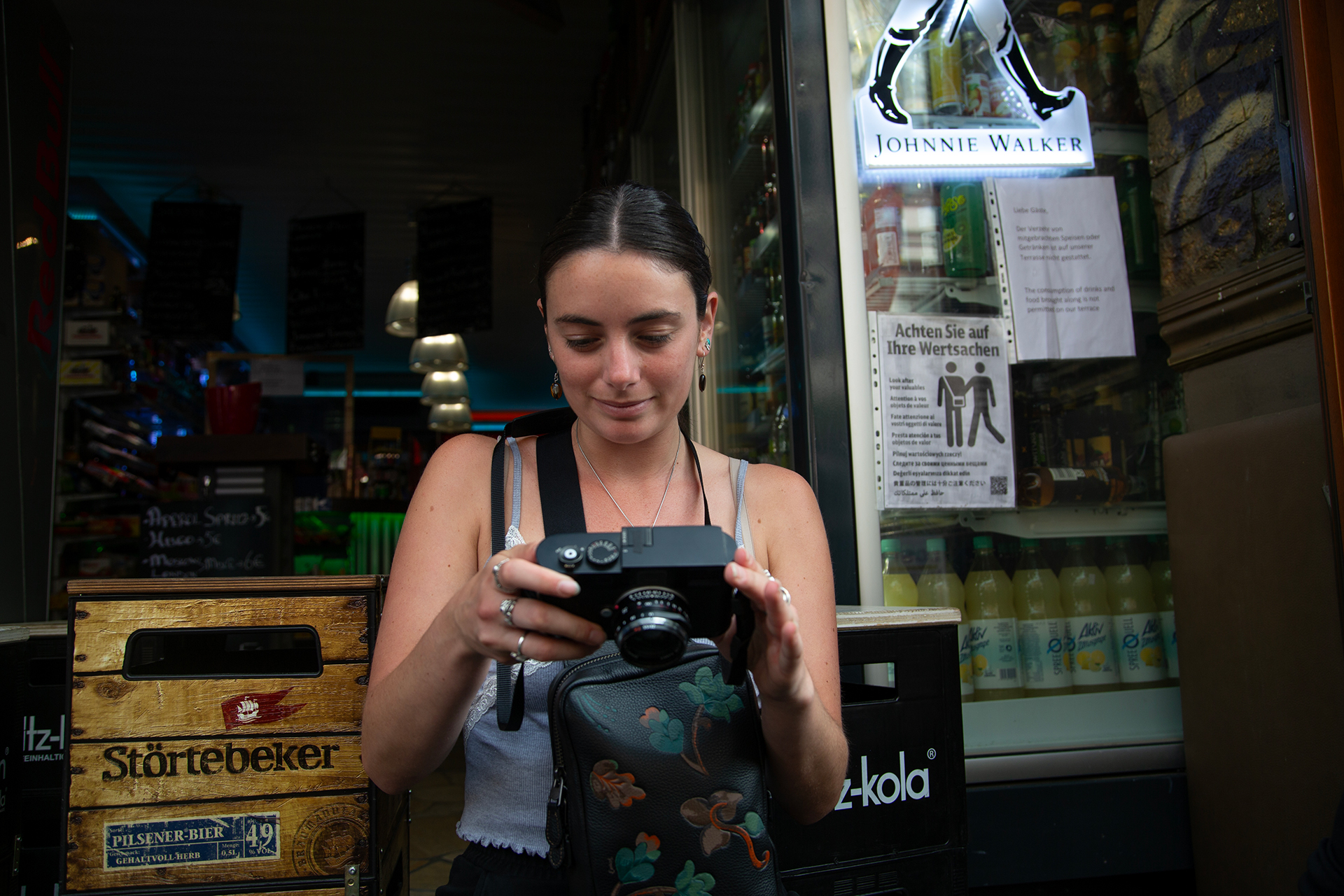
During a study abroad course taken in Munich and Berlin, I created a multimedia project with a small group. We named our project “Liebe Leica”, liebe meaning “love” in German. I contributed by taking photographs and writing. The project focused on exploring the German camera brand Leica. Our goal was to gain firsthand insights into the brand and its community. Before traveling, we conducted extensive research. Once in Germany, we documented on location by photographing, writing observations, and recording video at key sites such as Leica stores and galleries. We also engaged directly with the Leica community, interviewing people we met at these locations and even approaching Leica camera owners on the street to hear their stories and connections to the brand. One particularly memorable moment involved overcoming a language barrier during an interview with a German-speaking camera repair shop owner. He didn’t speak English, but we discovered he also spoke French and Spanish. Using a mix of both, we were able to hold a meaningful conversation and gather valuable insights. Overall, the project aimed to offer a rich, personal exploration of the Leica brand through diverse media and direct human connection.
Below is a piece I wrote for Liebe Leica called “why should you care?”
Leica is considered one of the most prestigious camera brands in the world. Each camera is handmade by artisans who study their craft for years as an apprentice. A single lens can cost upwards of $10,000. It is said to be a camera for doctors, lawyers, and actors. So why care about a camera brand that even professional photographers can’t afford to use? Because Leica has created a way of life that inspires, connects, and attracts passionate people. Because whether you realize it or not, the spirit of Leica is all around you. Because it’s more than a camera, it’s a way of thinking that reminds us to stay connected to the world around us. “Because it’s Leica” (Nico Linnstedt).
What makes Leica different from other camera brands? What compels Leica to inspire?
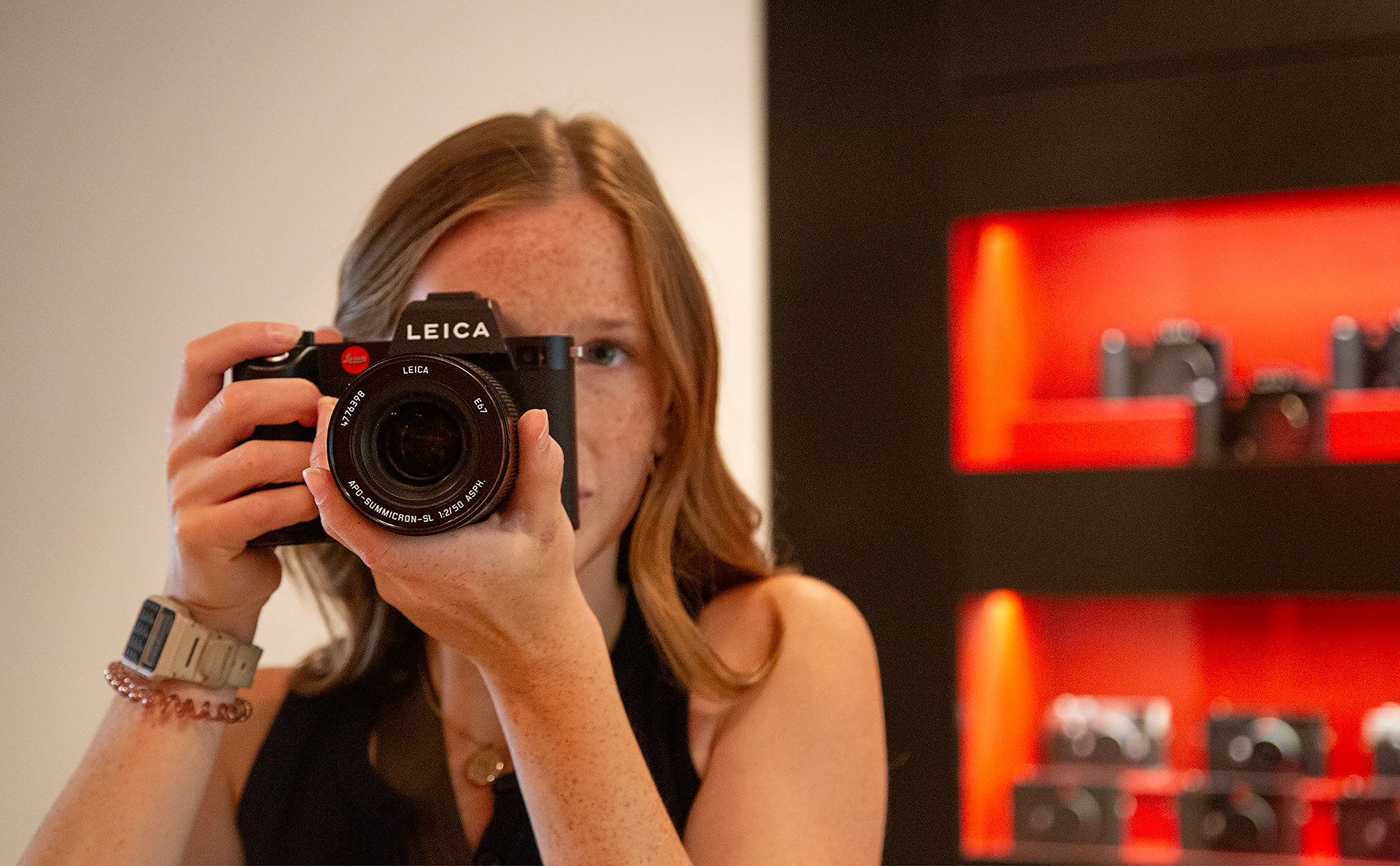
The Leica viewfinder is always placed on the side of the camera, rather than the middle. This is done purposefully, so the user can stay connected with those around them while also looking through the camera. Nico Linnstedt, an employee at the Leica store in Berlin, described this concept to us, “…if you’re shooting with your right eye, you always leave the left eye open so you will not be disconnected from the world. So even if I’m taking a portrait, I’m still in contact with my subject…” Leica encourages people to see the world differently, to create the art before you even touch the camera. Alexander, a camera salesman and long-time user of Leica, says, “that’s also the idea of Leica, …you must make a picture before you press the button.” The design promotes the idea that Leica wants photographers to preserve beautiful moments in time, not just snap pictures while only seeing the world through the viewfinder.
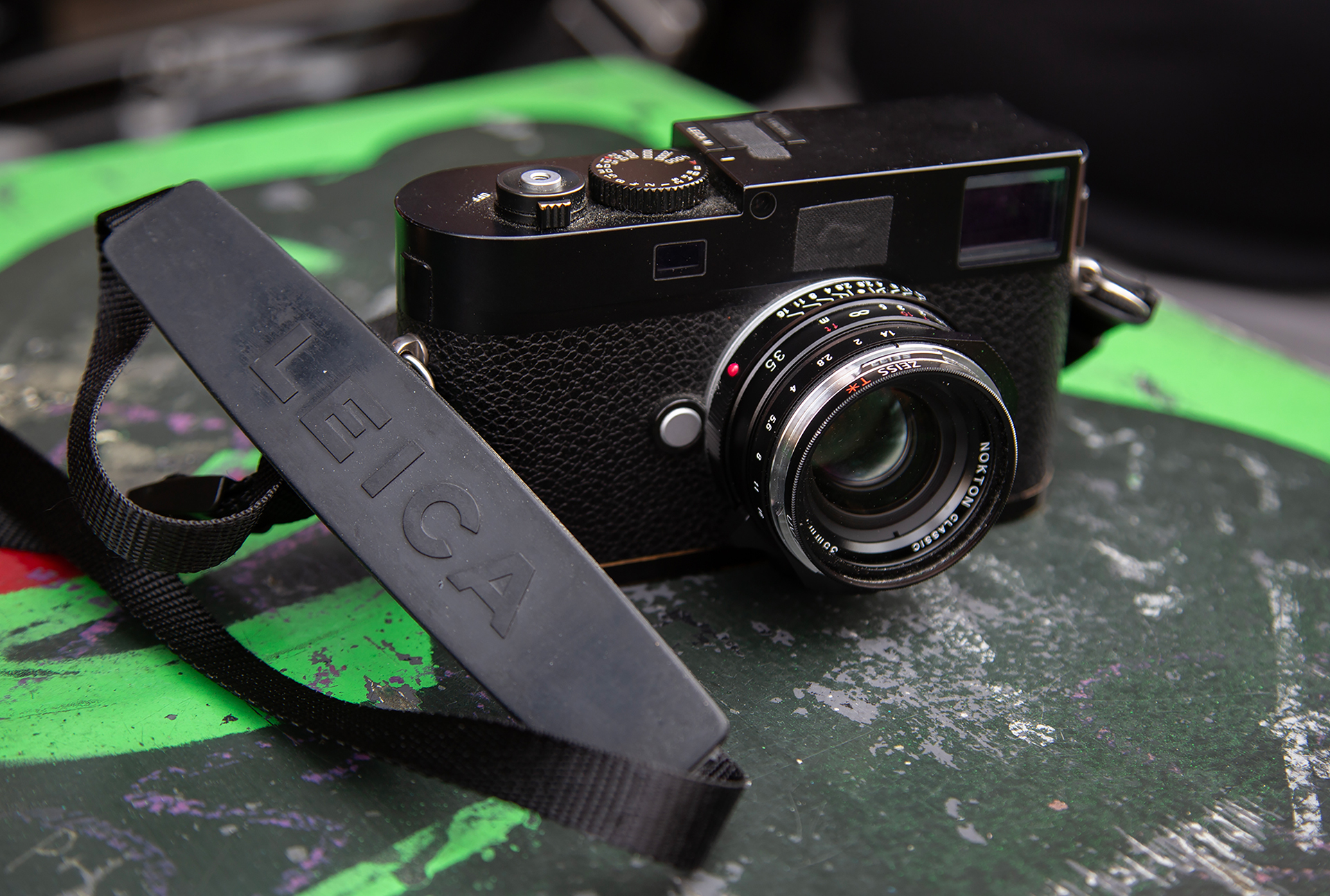
Leica cameras are created with exceptional quality that has allowed them to prevail through the decades. Many Leica cameras are passed down from generation to generation because they are durable enough for you to use your great grandfather’s camera he purchased 70 years ago. Leica is not produced in mass quantities to make it cheap and affordable. They are created in small batches, giving each camera an individual identity. Throughout our project, we were able to hear multiple accounts of Leicas being passed down in families. Hearing story after story of people receiving their Leica from a parent or grandparent, we came to the realization that this company has a way of evoking emotion in its users. Few who encounter Leica have not been deeply affected by their experience, something uncommon with other camera brands. Leica has fostered a community of those passionate about what they do and eager to share their story; and there’s always more to it than just an isolated experience with a camera.
Leica is working to eliminate the stereotype that it is only for the elite, rich, and powerful. In attempts to become more accessible, they offer rental programs that allow you to borrow a camera, repair your Leica free of charge, and sell plenty of used cameras and parts for a more affordable price. While visiting the Leica storefronts in Germany, we were never turned away or questioned if we looked like we couldn’t afford anything in the store. We were always welcome to walk around, take pictures, and ask employees endless questions. An employee even brought out multiple cameras so we could experience holding them for ourselves. This employee, Nico, was working to derail the Leica stereotype. He mentioned to us that he doesn’t believe Leica is only for doctors, it is a camera for everyone; anyone who enters the store should be given the opportunity to try out a Leica.
Leica is not only for the rich and famous, nor is it only for professional photographers. Leica welcomes anyone brave enough to push beyond the ordinary and discover more. More art. More meaning. More life. More love. It urges you to stay passionate, whether it’s about photography or not— the values Leica was built upon reaches an audience far beyond the cameras they produce. Leica is inspiration. Leica is connection. Leica is passion. Leica is love.
 Sarah Moore